
How an Experienced Caterer Accommodates Severe Food Allergies
Food allergies require careful planning, especially when meals are prepared for large gatherings, weddings, corporate events, and other special occasions. Even small amounts of an allergen can trigger serious reactions, making food preparation and handling practices especially important. An experienced caterer understands the importance of communicating with clients, identifying potential risks, and taking appropriate precautions to protect guests. With thoughtful planning and attention to detail, catering teams can help create a safer and more enjoyable dining experience for everyone.
Identifying Food Allergies Before Planning the Menu
The first step in accommodating severe food allergies is understanding guests' dietary restrictions before selecting dishes. A professional catering team should encourage clients to communicate known allergies during the initial planning process. This information allows the team to identify ingredients to avoid and determine whether menu adjustments are necessary.
Common food allergens include:
- Peanuts and tree nuts
- Milk and other dairy products
- Eggs
- Wheat and other gluten-containing grains
- Soy
- Fish and shellfish
- Sesame
Guests may also have less common allergies or sensitivities that require additional consideration. Rather than making assumptions about what someone can safely eat, catering professionals should ask specific questions about the allergen, the severity of the allergy, and any cross-contact concerns.
Gathering this information early gives the kitchen more time to review recipes, evaluate ingredients, and discuss appropriate alternatives. It also helps ensure that dietary accommodations are included in the event plan rather than addressed at the last minute.
Reviewing Ingredients and Selecting Safe Alternatives
Once dietary restrictions are identified, the next step is reviewing the ingredients used in each menu item. Even dishes that appear allergen-free may contain unexpected ingredients through sauces, seasonings, marinades, dressings, and packaged products.
An experienced caterer should examine product labels and ingredient lists rather than relying solely on general descriptions. Manufacturers may change formulations, so checking current packaging is important even when a product has been used previously.
When substitutions are necessary, catering teams can explore alternatives that maintain the flavor and presentation of the original dish. For example, dairy-free ingredients may replace milk or butter in certain recipes, while alternative grains can provide options for guests avoiding wheat. However, substitutions must be evaluated carefully to ensure they do not introduce other allergens.
Menu planning should also consider whether an alternative dish can be prepared safely with the available kitchen equipment and procedures. If a severe allergy cannot be reliably accommodated, the catering team should communicate that limitation honestly rather than make guarantees that cannot be upheld.
Preventing Cross-Contact During Food Preparation
Cross-contact occurs when an allergen is unintentionally transferred from one food or surface to another. This can happen through shared utensils, cutting boards, cookware, preparation surfaces, or food storage containers. For individuals with severe allergies, even small amounts of an allergen may create a serious risk.
To reduce cross-contact, catering professionals should establish clear food preparation procedures. Depending on the kitchen environment and the specific allergy, appropriate precautions may include:
- Cleaning and sanitizing preparation surfaces before handling allergen-free ingredients.
- Using dedicated utensils, cookware, and cutting boards when appropriate.
- Washing hands and changing gloves between different preparation tasks.
- Storing allergen-free ingredients separately from foods containing allergens.
- Preparing designated meals in a controlled area whenever possible.
These precautions require consistency from everyone involved in food preparation. A caterer should also understand that simply removing an allergen from a finished dish does not make the food safe. Proper separation and handling must take place throughout the preparation process.
Training Staff to Recognize Allergy Risks
Food allergy safety depends on more than the person preparing the meal. Servers, event coordinators, kitchen assistants, and other catering staff should understand the importance of following established dietary procedures.
Staff training should cover common allergens, cross-contact prevention, ingredient identification, and communication protocols. Employees should know how to respond when a guest asks whether a particular dish contains an allergen. If they are uncertain, they should verify the information with the kitchen rather than provide an unconfirmed answer.
According to Statista, the U.S. catering sector reached approximately $12 billion in 2022, highlighting the substantial role professional food service plays in serving events and gatherings. As the industry serves a wide range of customers, maintaining consistent food safety practices remains an important responsibility.
Training should also emphasize that allergy accommodations cannot be treated casually. Every team member must understand that changing ingredients, substituting utensils, or modifying preparation procedures without communicating with the appropriate staff can create unnecessary risks.
Labeling Dishes and Communicating With Guests
Clear food labeling helps guests make informed decisions about what they eat. At catered events, guests may not have direct access to the kitchen or know exactly how individual dishes were prepared. Providing accurate information can make the dining experience more comfortable and reduce confusion.
Food labels should identify major ingredients and clearly communicate relevant allergen information. When appropriate, separate serving utensils and designated food stations can help reduce the risk of cross-contact during service.
A caterer should also establish a clear process for communicating with guests who have disclosed severe allergies. For example, a designated staff member can answer dietary questions and confirm which dishes were prepared in accordance with the agreed-upon precautions.
It is important to avoid relying on labels alone. Guests should have an opportunity to speak with someone who understands the preparation procedures and can provide accurate information about potential allergen exposure.
Planning Safe Food Service for Different Events
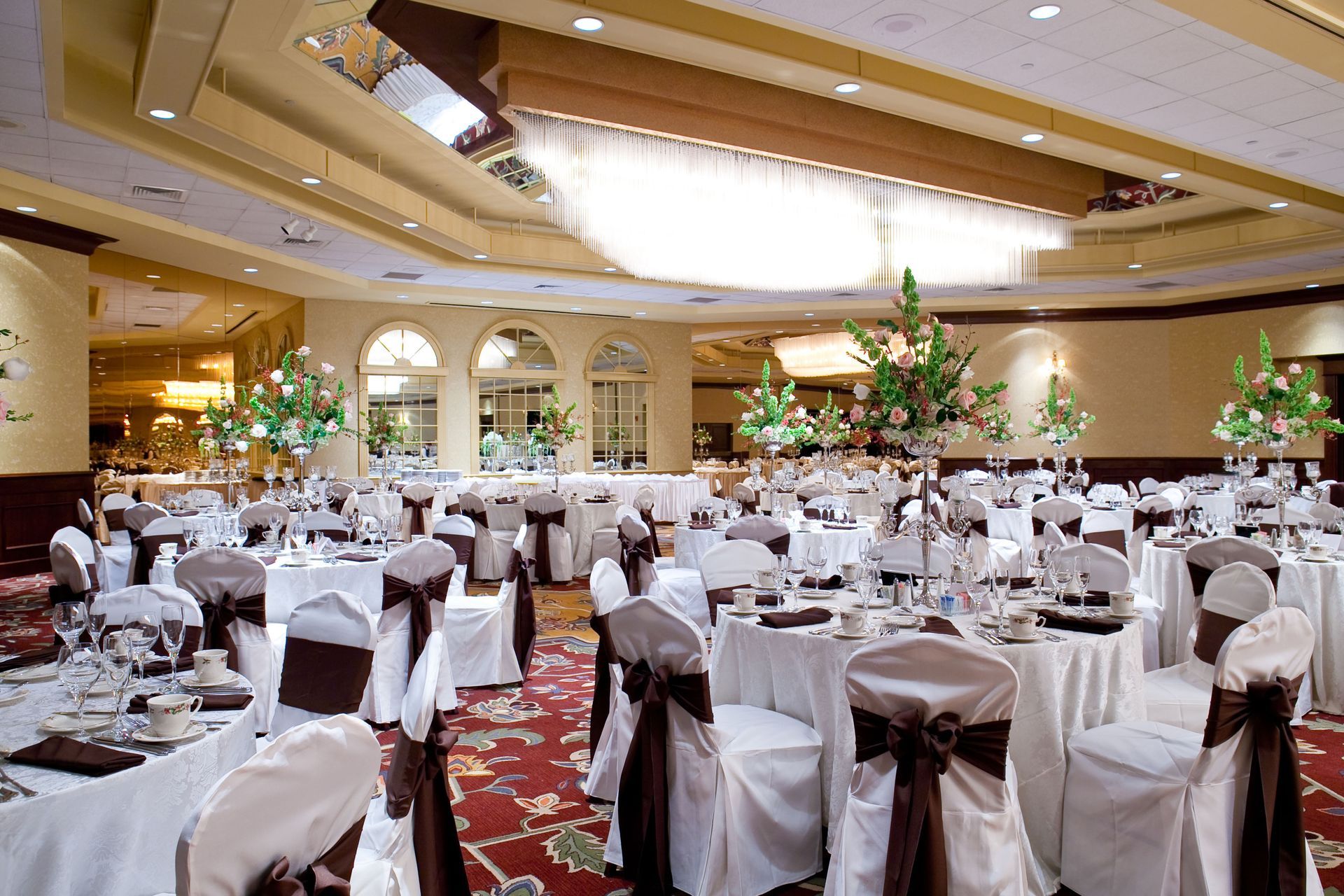
Every event presents different food service challenges. A seated dinner, buffet, cocktail reception, and corporate luncheon may require different approaches to food preparation and presentation. An experienced caterer considers these details when developing an allergy accommodation plan. Understanding the event format also helps determine how meals should be prepared, transported, displayed, and served while minimizing opportunities for cross-contact.
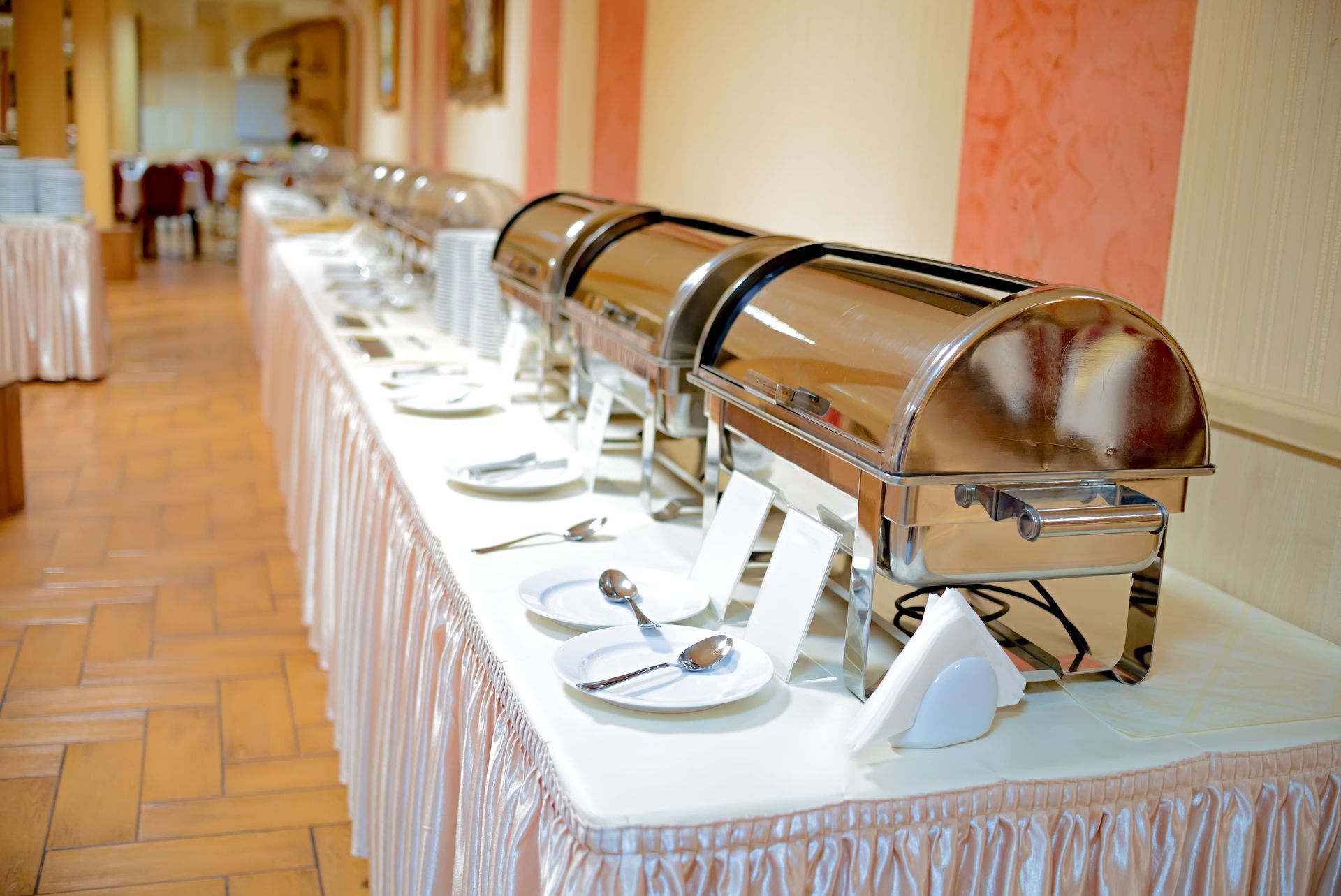
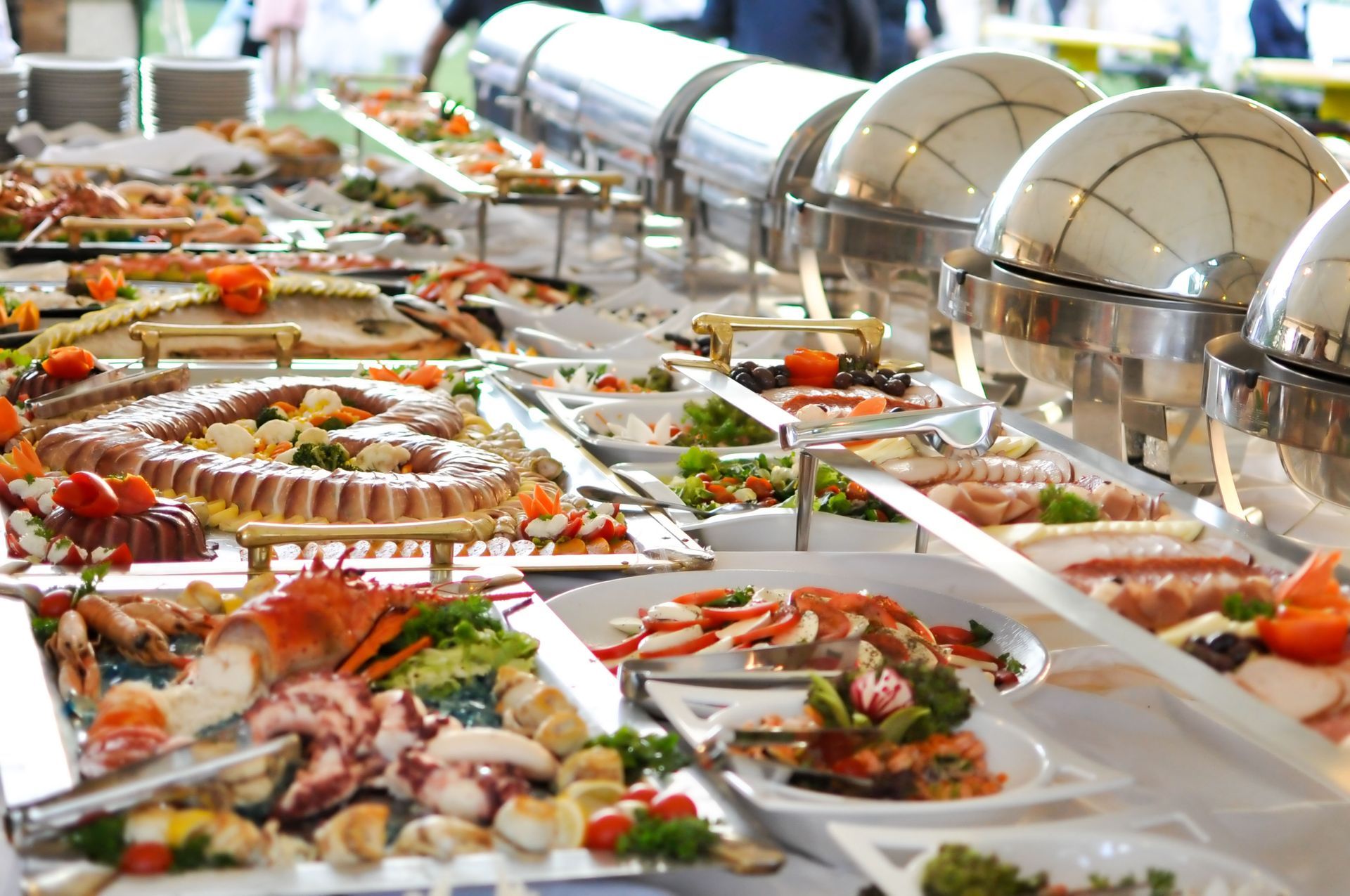
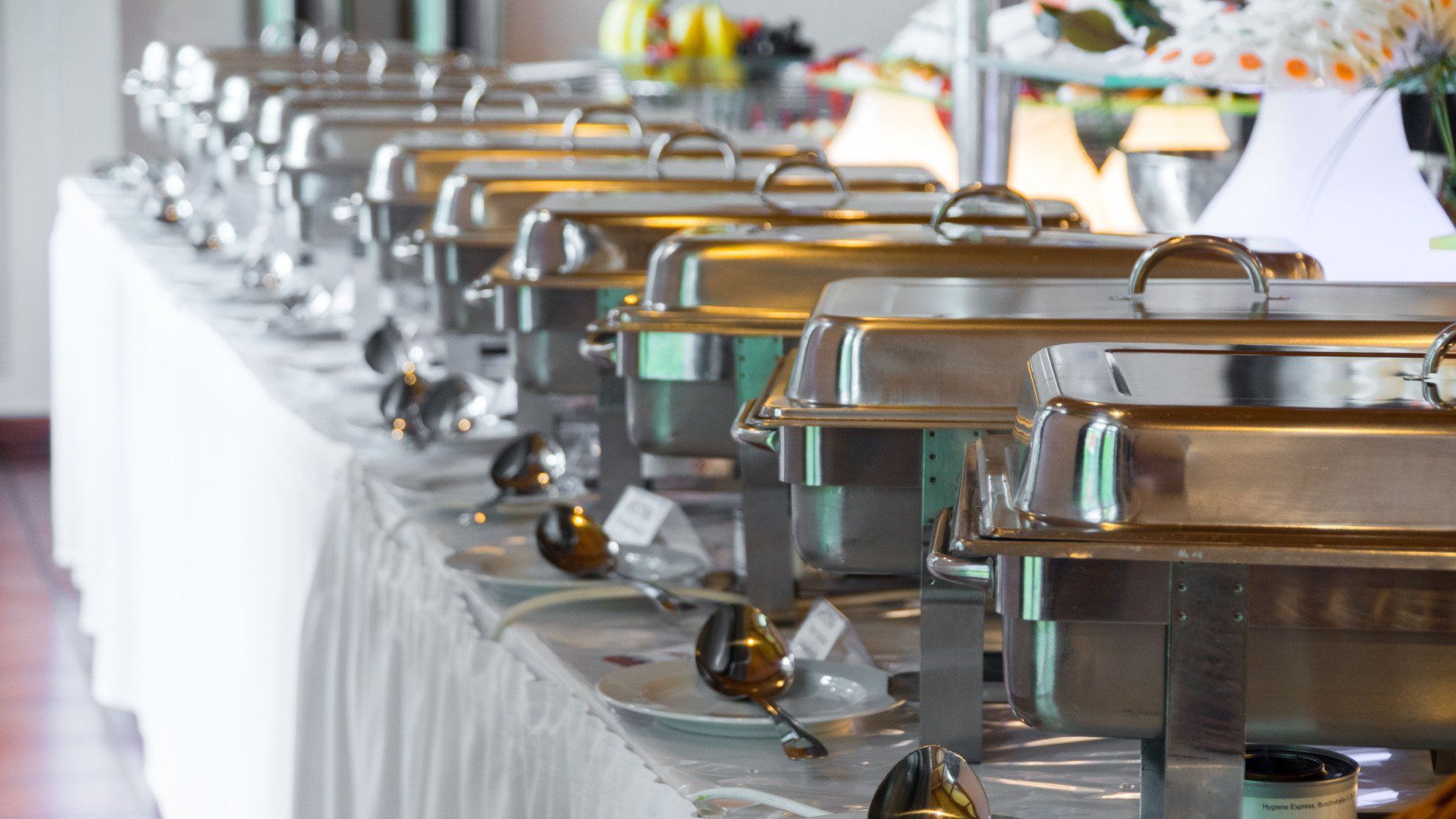
For plated meals, designated dishes can be prepared and served separately to reduce the likelihood of accidental exposure. For buffet-style events, separate serving utensils, clearly identified dishes, and carefully arranged food stations can help guests navigate their options.
Timing is another important consideration. Allergy-friendly meals may need to be prepared separately or served directly to designated guests. Coordinating these details with event organizers helps prevent confusion when multiple dishes are being served simultaneously.
The number of guests, venue layout, available kitchen facilities, and specific dietary requirements should all influence the plan. Discussing these factors before the event allows catering professionals to identify potential limitations and establish realistic expectations. A reliable caterer will also communicate any necessary adjustments with the event coordinator so that allergy accommodations remain a priority from setup through cleanup.
Prioritizing Guest Safety Throughout the Event
Accommodating severe food allergies requires attention from the beginning of the planning process through the final stages of food service. Ingredient reviews, staff training, separate preparation procedures, and clear communication all contribute to a more organized approach. An experienced caterer should also monitor food service practices throughout the event to ensure that established safety procedures are followed consistently.
Guests should never have to guess whether a dish is safe for them to eat. Catering professionals should communicate honestly about ingredients, preparation methods, and any limitations that could affect allergy accommodations. When a kitchen cannot confidently prevent exposure to a particular allergen, that risk should be disclosed.
By prioritizing food safety and maintaining consistent procedures, an experienced catering team can help clients plan events that accommodate diverse dietary needs. Having a designated point of contact for allergy-related questions can also help guests feel more comfortable throughout the dining experience. Contact Brandeis Catering today to discuss your event and explore menu options that accommodate your guests' dietary requirements.


Share On: